
Collector's guide
Everything you want to know before a kiosk ends up in your game room.
What is a kiosk?
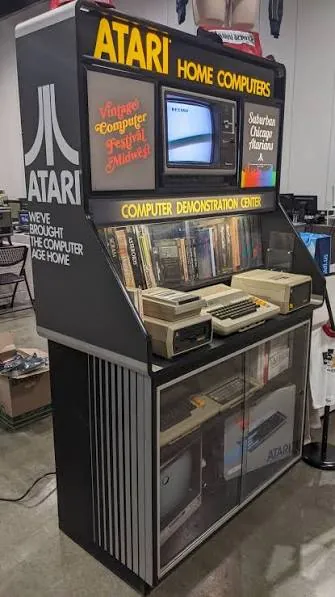
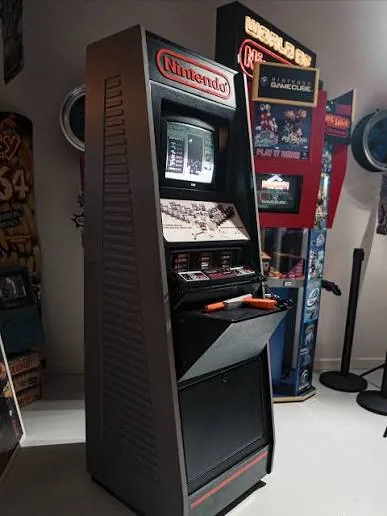
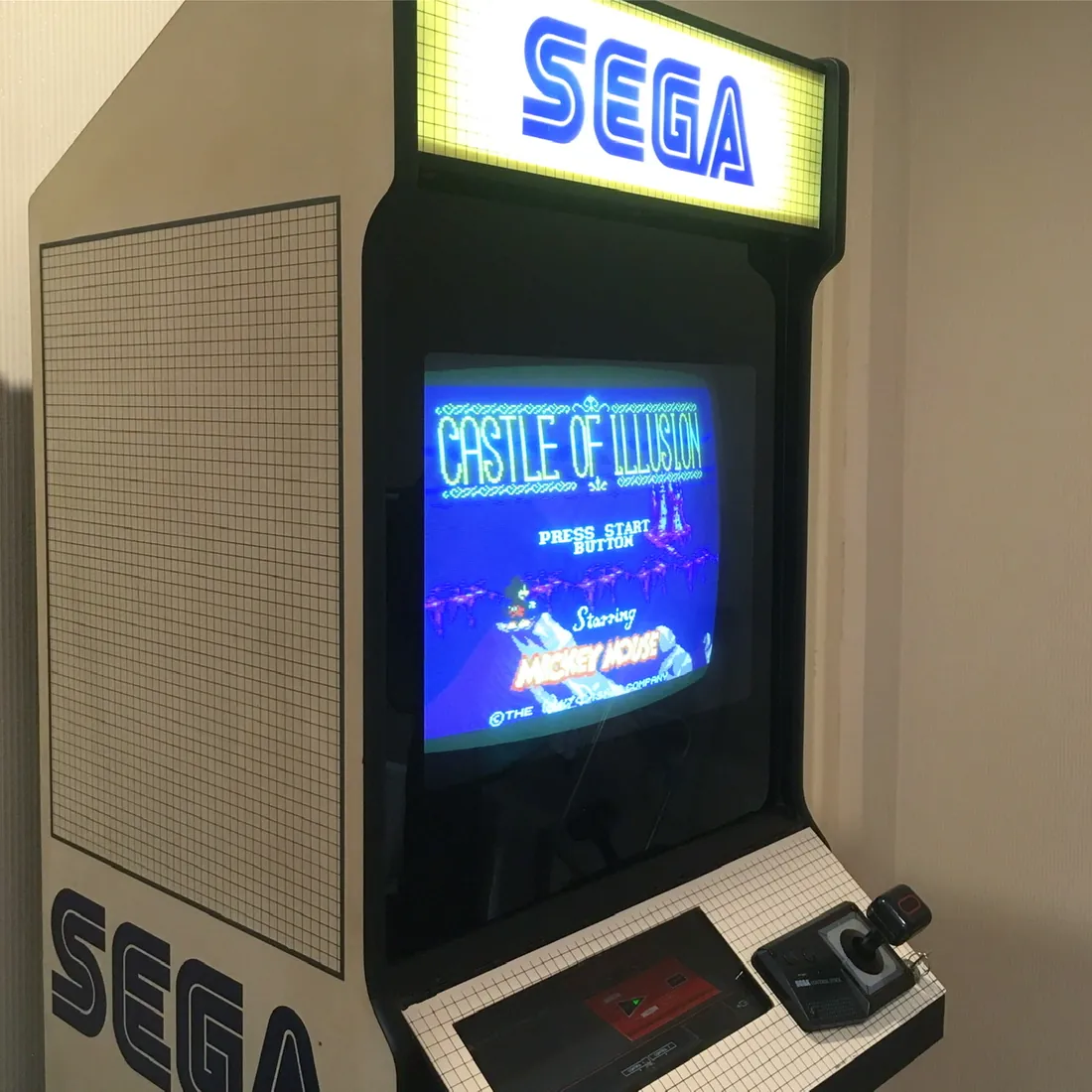
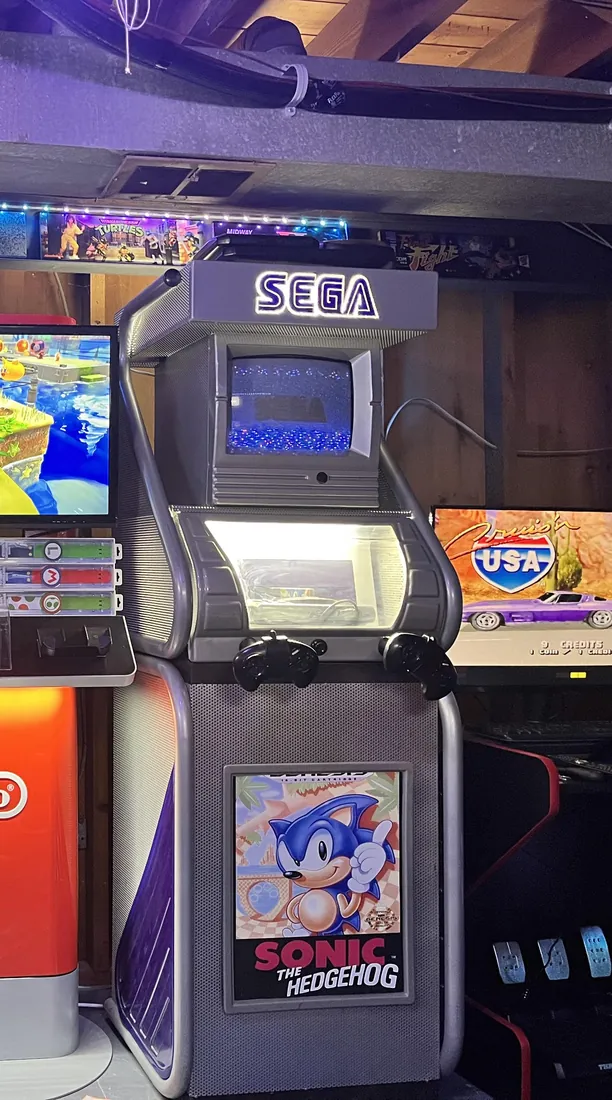
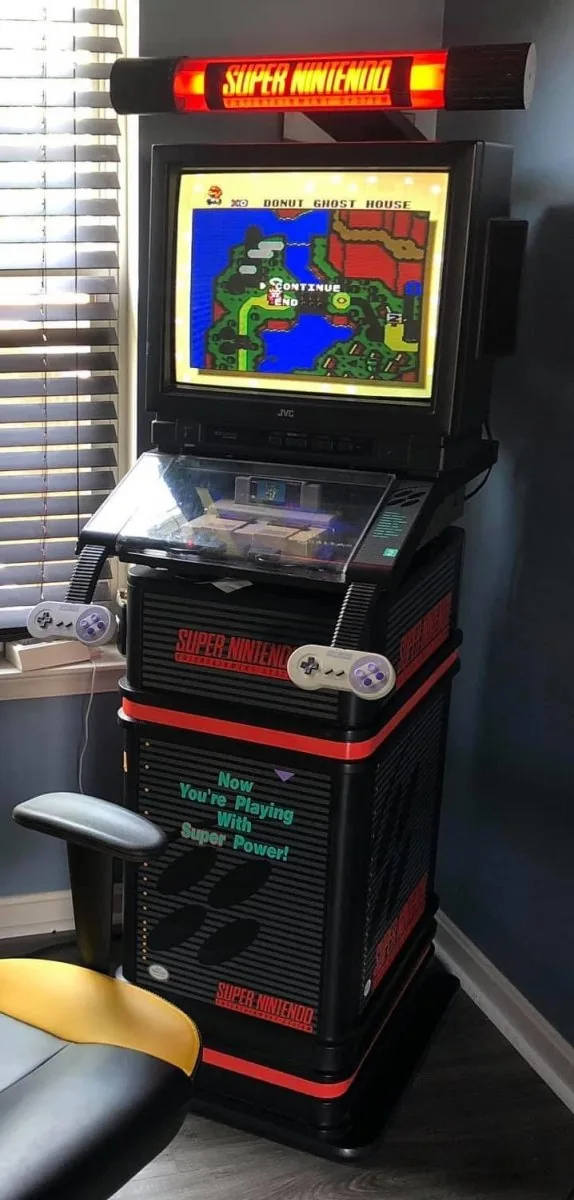
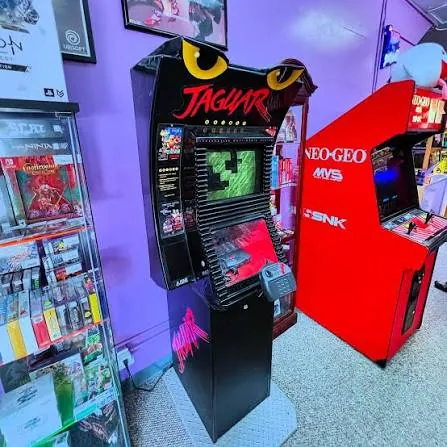
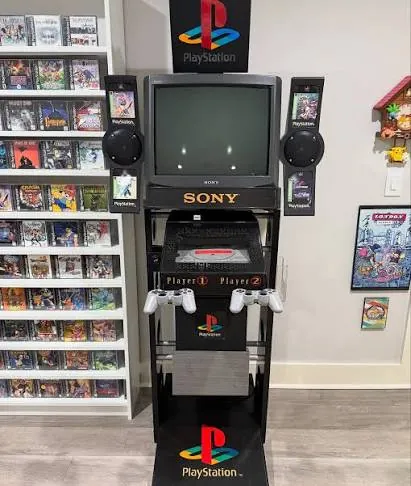
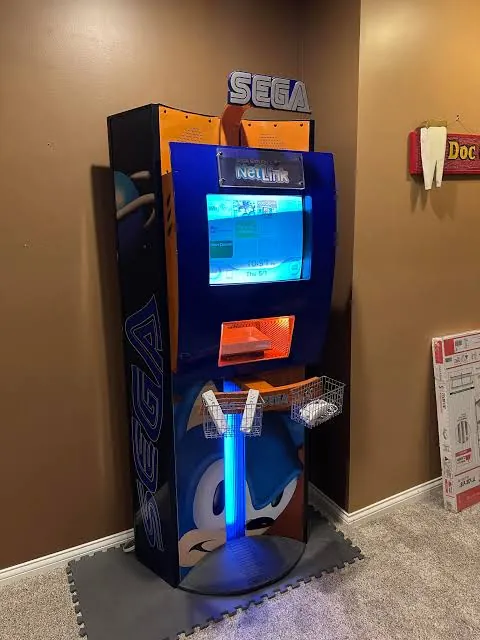
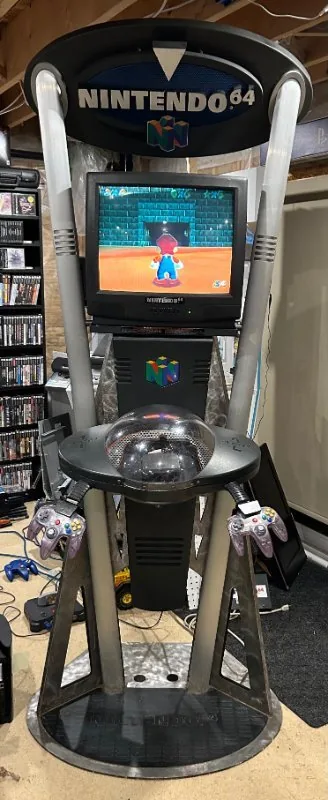
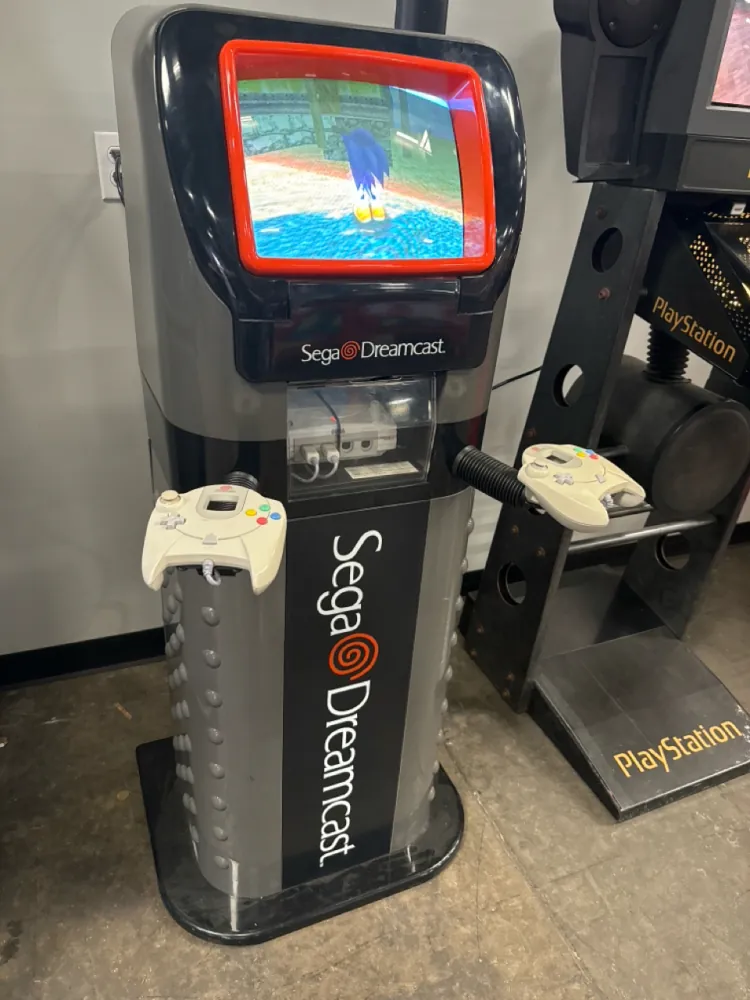
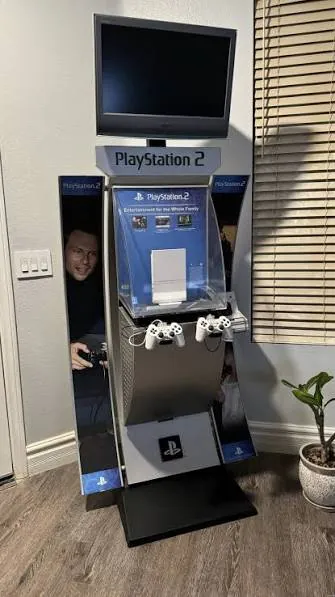
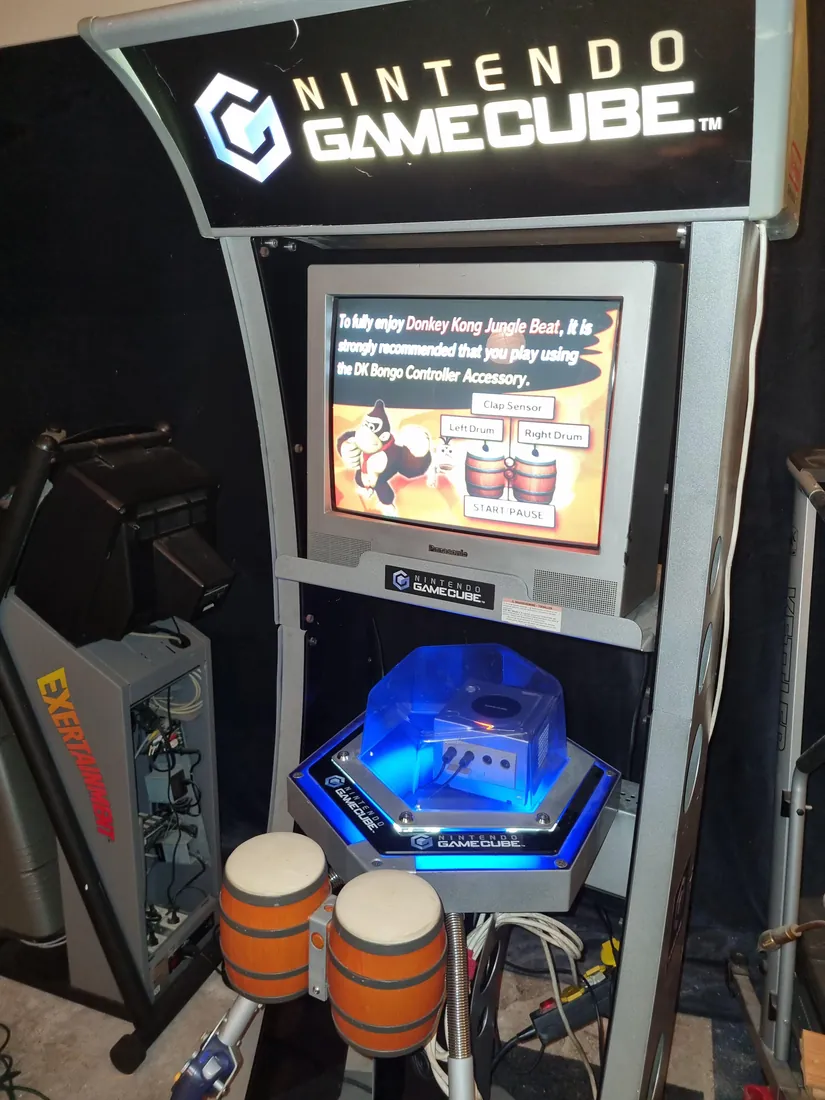
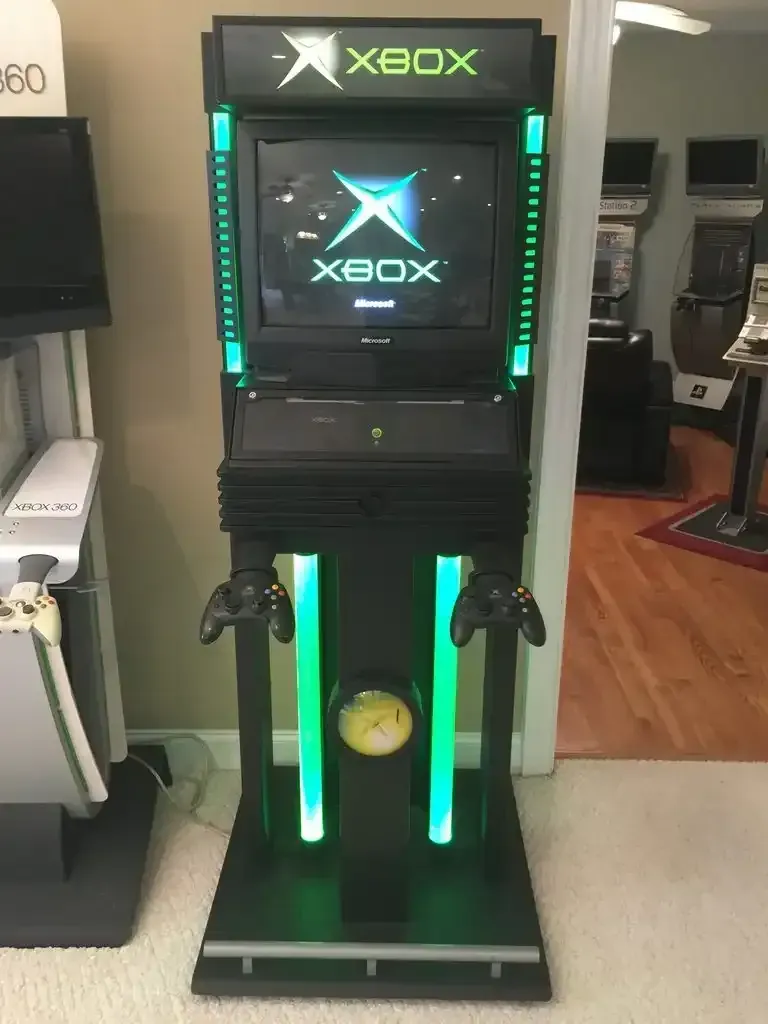
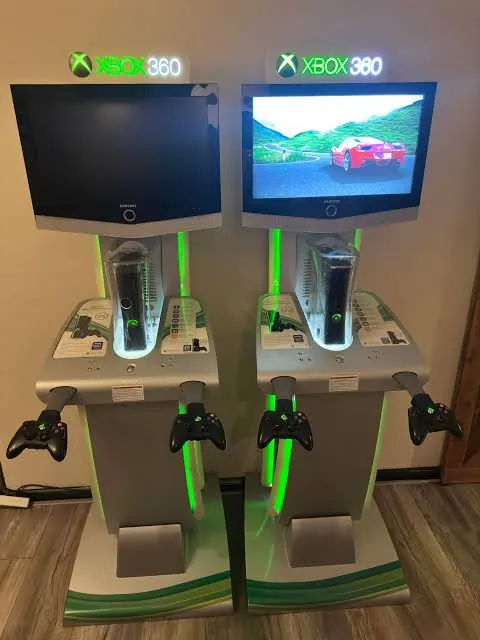
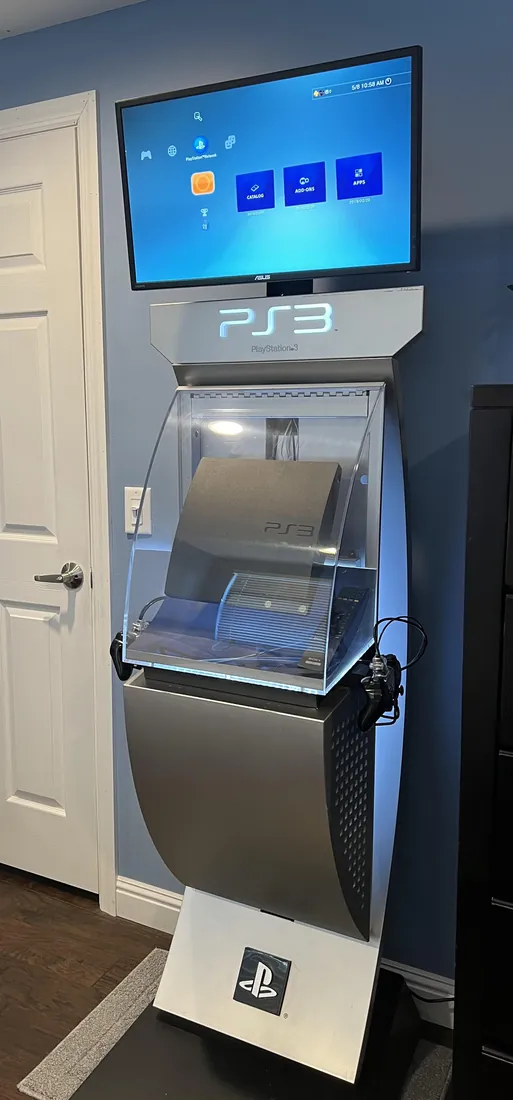
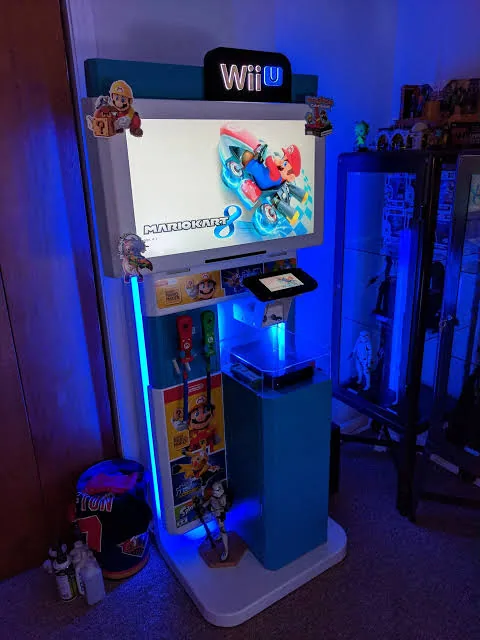
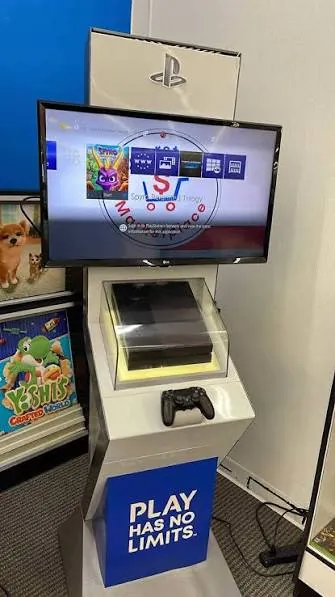
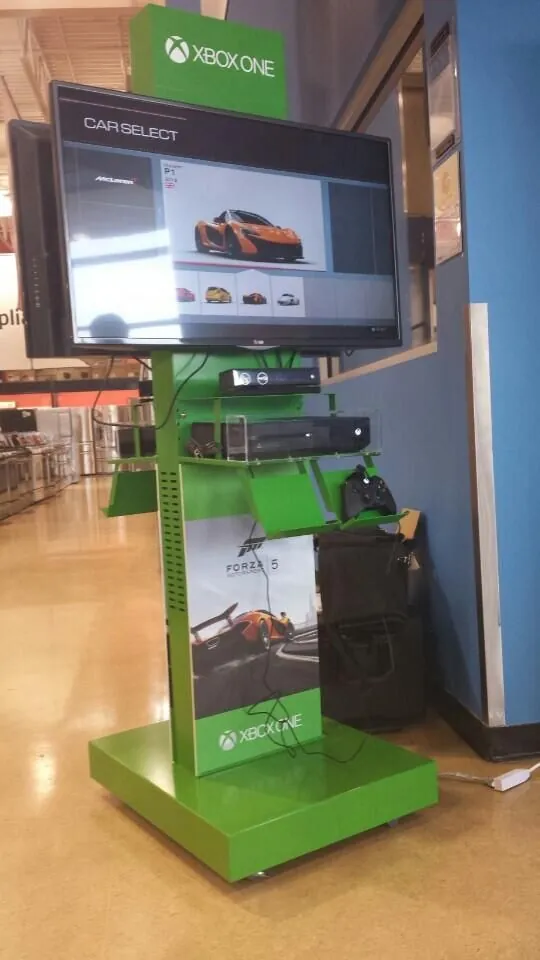
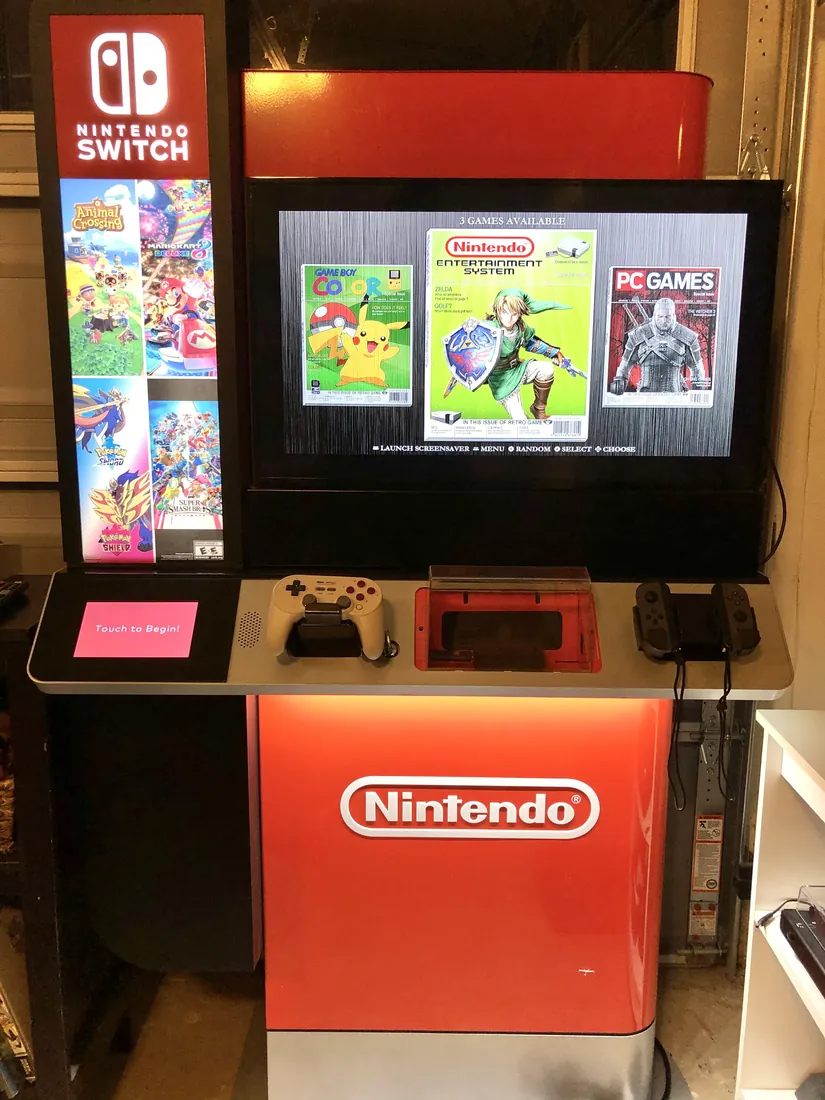
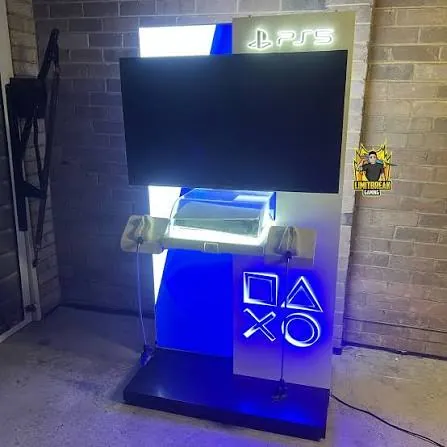
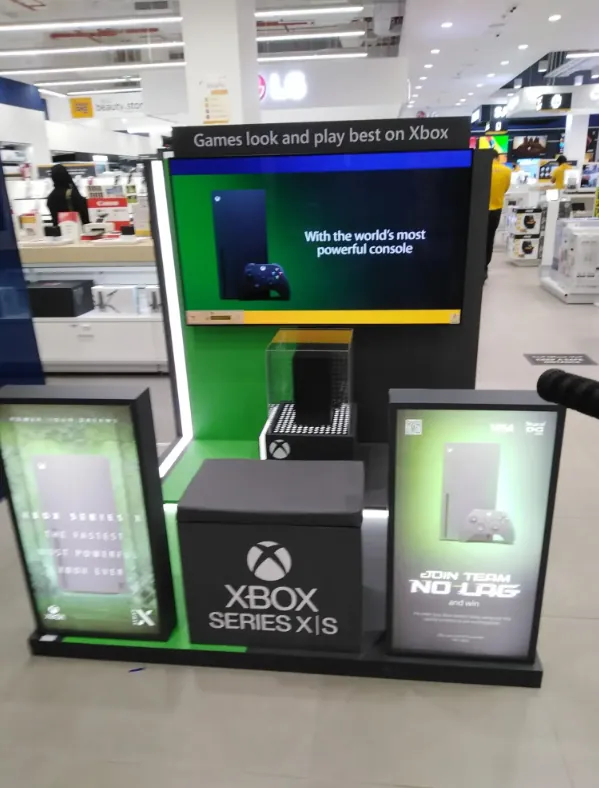
A demo kiosk is a store fixture built to let shoppers play a console before buying it. The console maker usually designed and shipped them, and stores got them for free or bought them through a display program. Some big chains, like Target and Kmart, also built their own.
They were never sold to the public. When a new generation came out, most were thrown away, sent back or sold off at closing sales. That is why so few survive.
How they worked
- Locked hardware. The console sits behind a clear cover or inside the cabinet, and a key opens it.
- Tethered controllers. Steel cables or armored cords kept controllers from walking out the door.
- Timers and demo modes. The NES M82 reset after a set time. Later systems ran special kiosk software that cycled demos and trailers.
- Special software. Stores ran Not For Resale cartridges, demo discs, and on newer systems, demos loaded by the console maker.
- Kiosk consoles. Some kiosks used modified consoles. The Wii U CAT I unit only reads kiosk discs, and the Xbox 360 used a kiosk box to switch into demo mode.
Finding one today
- Ask store managers when a new console launches. Old fixtures often get tossed during the reset.
- Watch store closing sales and liquidation auctions.
- Check local marketplaces. Kiosks are heavy to ship, so many sell locally.
- Join collector groups and forums, where kiosks change hands between collectors.
- Tell people you are looking. Plenty of kiosks sat forgotten in a stockroom or garage for years.
Before you buy
- Is the key included? Without it you may be drilling locks.
- Are the controllers and their tethers there?
- Does every light work, including the header and any tubes?
- Is the screen original? Check for burn in and a stable picture.
- Is the console inside a retail unit, a kiosk unit or a dummy?
- Are any plastics cracked or missing, and is the original signage there?
- Ask for photos of the front, both sides, the back and the screen powered on.
Moving one home
- Bring a second person. CRT kiosks especially are much heavier than they look.
- Take out the TV or monitor and the console before moving the cabinet.
- Measure doorways and stairs first.
- For long distances, freight shipping on a pallet is safer than parcel shipping.
- Wrap the plastics and signage separately. They are the hardest parts to replace.
Keeping it running
- Old fluorescent tubes and ballasts wear out. Many collectors swap in LED replacements.
- Clean plastics with mild soap and water. Harsh cleaners can strip decals.
- Screen burn in is permanent, so run a screensaver or turn the display off when you are not playing.
- Keep it out of direct sunlight to slow yellowing.
- Save every original part, even broken ones. They help with repairs and resale.
Kiosk words
- NFR
- Not For Resale. Cartridges and discs made for store demos.
- Demo disc
- A disc with playable levels and trailers from several games.
- Header
- The lighted sign on top of a kiosk, also called a marquee.
- End cap
- The display space at the end of a store aisle. Some kiosks were built to fit there.
- Tether
- The cable that locks a controller to the kiosk.
- Dummy console
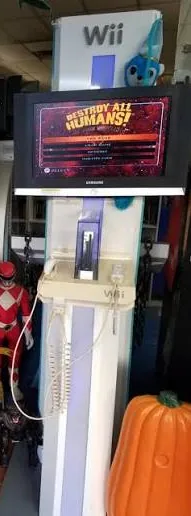
- An empty shell on display while the real console hides inside, like the Wii's RIS 901.
- Burn in
- A ghost image left on a screen that showed the same thing for years.
- Kiosk mode
- Special console software that runs demos and resets itself.